Successful launch of the Future:Trials STFNs initiative in Munich
16/10/2025At the Deutsche AIDS‑Tage on 27-29.March.2026, experts from research, clinical care, and policy will come together to discuss the future of HIV care and medical innovation in Germany. As part of this program, Future:Trials STFNs – Ethical Challenges in Research and Medicine will focus on how clinical research structures must evolve to remain effective, fair, and sustainable.
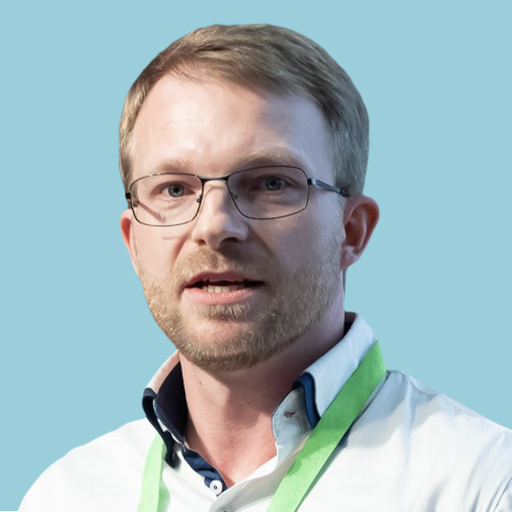
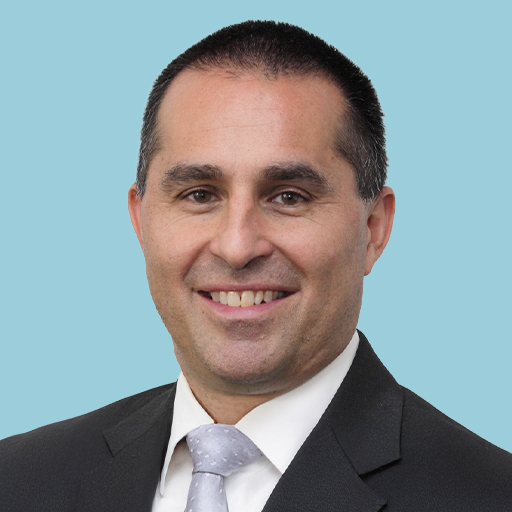
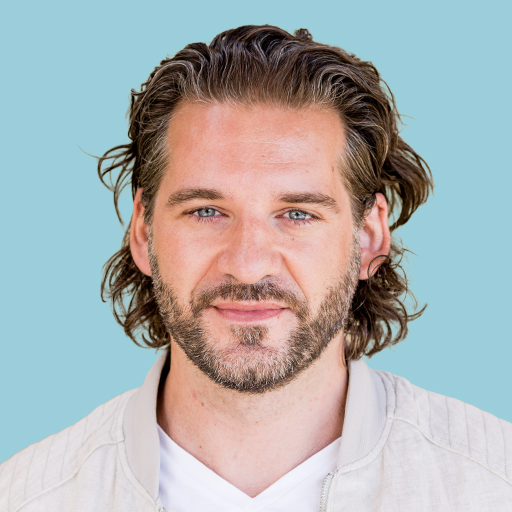
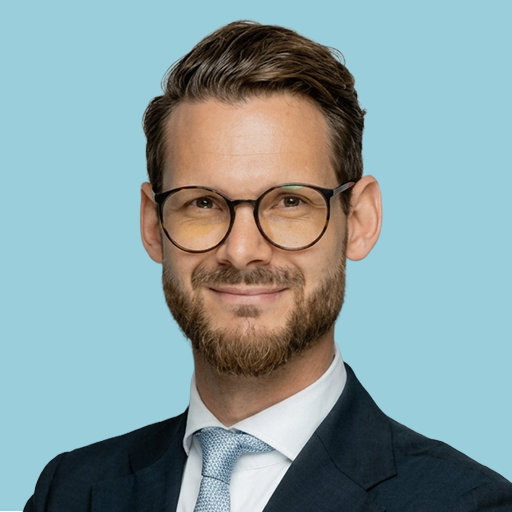
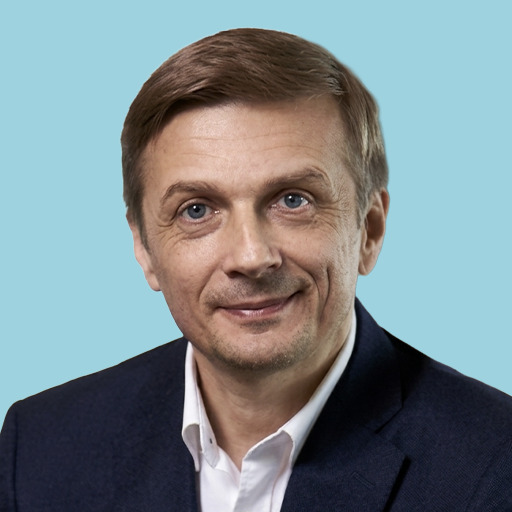
The session will be chaired by Petko Iliev and Roger Vogelmann and will examine key questions at the intersection of innovation, regulation, and the realities of clinical practice.
In his presentation, Roger Vogelmann will address the question: Does the AMNOG framework hinder innovative therapies? The German pharmaceutical market reform law—Arzneimittelmarkt‑Neuordnungsgesetz (AMNOG) — was designed to ensure cost-effectiveness and value-based pricing for new medicines. However, the increasing complexity of therapeutic innovation, especially in areas such as HIV treatment, raises important questions about whether current evaluation mechanisms sufficiently capture the benefits of emerging therapies.
The talk will explore how evidence generation, clinical trial design, and real-world data interact with regulatory frameworks and what this means for the future availability of innovative treatments in Germany.
The session will conclude with a panel discussion titled:
“Between Innovation and Workload: How Can Office-Based Physicians Participate in Clinical Research in the Future?”
Participants include Armin Goetzenich, Petko Iliev, Björn-Erik Ole Jensen, Martin Obermeier, Roger Vogelmann.
The panel will explore how Germany can maintain its position as a leading location for medical innovation by more effectively integrating outpatient HIV specialist practices (HIV-Schwerpunktpraxen) into clinical research.
Several key themes will guide the discussion:
Ultimately, the discussion aims to identify practical pathways that allow physicians in routine care settings to contribute to clinical research without increasing already substantial workloads. Strengthening these collaborations could benefit patients, physicians, and the broader scientific community while reinforcing Germany’s role as a hub for medical innovation.
For Future:Trials, this session highlights a central challenge for the coming years: building research ecosystems that connect innovation with everyday care.