Future:Trials at the AIDS-Tage – Ethical and Structural Challenges in Clinical Research
16/03/2026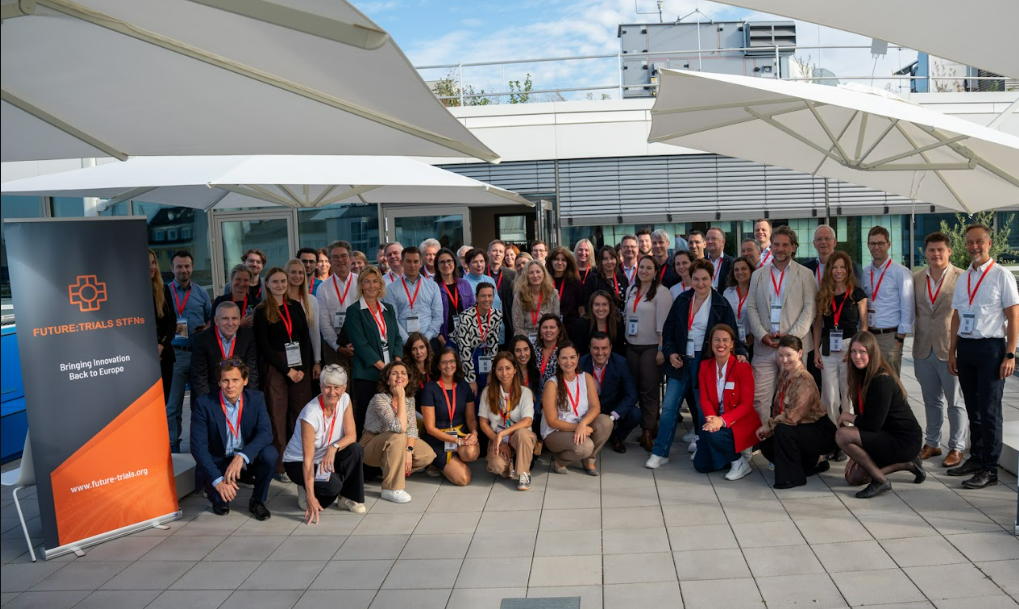
On 6–7 October 2026, leaders and innovators from across the clinical research ecosystem gathered in Munich for the second edition of the Future:Trials STFNs Summit 2026. Hosted at Event Arena BFV, the summit brought together representatives from pharma, biotech, CROs, research sites, hospitals, patient organisations, technology companies, investors, academia and regulatory bodies.
With 100+ participants, 30+ speakers, 15+ innovators, 10 panels, five keynotes and four networking sessions, the summit explored a central question: how can clinical research evolve to better serve patients and healthcare systems over the next three to five years?
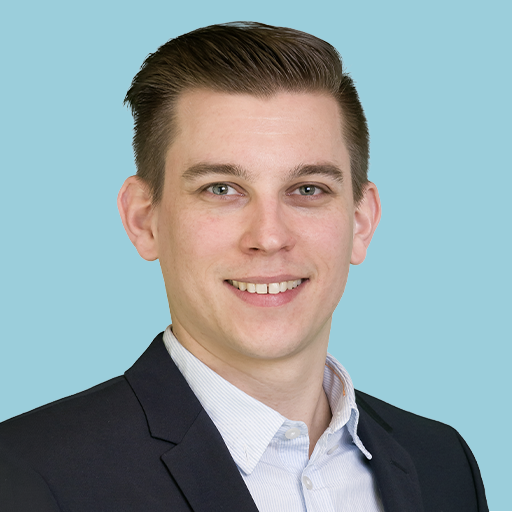
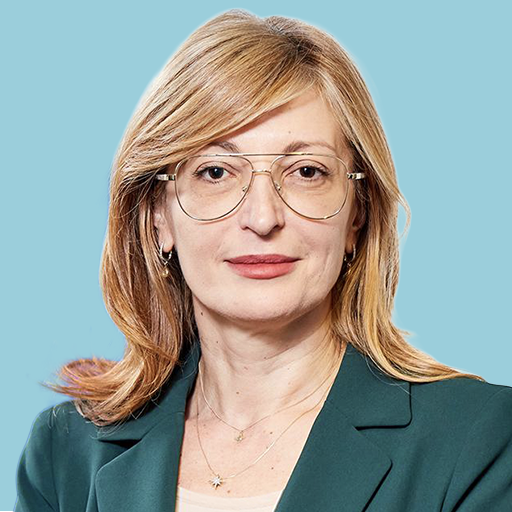
The event was co-organised by Petko Iliev from Clinovate and Kaloyan Ratchev from Vangavis / Onco:Innovate with the support of Munich MedTech. The summit started with welcome remarks from Petko Iliev and Dr. Eva Wolf – a day one supporter of the STFNs format, and was honoured by a video message of Ekaterina Zaharieva, European Commissioner for Startups, Research and Innovation.
Five key takeaways from the summit
1. Smarter trial design starts with patients
Discussions on patient engagement and protocol design highlighted the importance of making clinical trials simpler, more practical and more responsive to patients’ needs. Involving patients and research sites early can help bridge the gap between scientific ambition and operational reality.
2. AI is moving into clinical practice
From site identification and patient matching to protocol review and data analysis, AI is creating new opportunities to improve clinical trial operations. However, responsible implementation, reliable data and human oversight remain essential.
3. Research needs to move closer to patients
Connecting community physicians, routine healthcare data and research networks could help bring clinical trials into everyday healthcare, expand patient access and strengthen recruitment. Cross-border collaboration will also be critical to making Europe’s clinical research ecosystem more connected.
4. The clinical research workforce is evolving
Automation can reduce repetitive tasks and free up time for strategic planning, risk management and patient interaction. The challenge is to ensure that technology supports the people who keep clinical trials running.
5. Better economics enable better execution
Standardised contracting, transparent budgeting and milestone-driven investment can make clinical trial delivery more predictable and sustainable. Discussions on life science investment, regulatory developments and emerging trial models reinforced the importance of aligning innovation with practical implementation.
Meet the Innovators
Innovation was central to Future:Trials STFNs Summit 2026. The summit welcomed 15+ innovators developing technologies, platforms and services to address real-world challenges in clinical research.
The innovator programme included presentations from companies working across clinical data, AI, patient access, trial operations and medical technology. Innovators featured in the summit included:
- Ai:leen Health — developing GenAI solutions to improve cancer treatment decisions and accelerate patient access to new therapies
- ADLIN Science — data and analytics for clinical development.
- arterioscope — cardiovascular and medical technology innovation.
- Bionabu — clinical trial simulation and quality management.
- Biorce — AI-powered clinical trial planning and feasibility.
- Docuply — digital clinical research workflows.
- FastTrack MedTech — clinical and regulatory support for medical technology.
- MPIRIQ — connecting routine healthcare and clinical research.
- Owkin — AI, computational biology and drug discovery
- iduneo — connecting hospitals across Europe to accelerate oncology clinical trials.
- OncoBone Therapeutics — developing novel therapies for bone-metastatic cancers using osteoimmuno-oncology and predictive preclinical models.
- iOmx Therapeutics — developing next-generation cancer immunotherapies targeting tumor immune evasion to treat solid tumors
- Healex — digitising clinical trial management, budgeting and reporting to improve efficiency.
- Massive Bio — using AI to connect cancer patients with relevant clinical trials.
- Tehistark — AI tools for regulatory documentation and evidence workflows.
- TrialHub — data-driven clinical trial feasibility and recruitment.
- Yendou — AI-powered solutions for clinical trial operations
By connecting innovators with pharma, CROs, research sites, healthcare providers and investors, Future:Trials aims to turn promising ideas into meaningful collaborations and practical solutions.
Explore the Future:Trials Munich 2026 event page to learn more about the summit and its participants.
From innovation to collaboration
Oncology clinical trials, AI-driven development, regulatory frameworks and combined drug–device studies were also key topics throughout the programme. Across these discussions, one message stood out: Europe’s next competitive advantage in clinical research may lie in connecting research more effectively with everyday healthcare.
Achieving this will require closer collaboration between patients, healthcare providers, research sites, industry, technology companies, investors and policymakers. Together, these stakeholders can work towards better patient access, faster site activation and more efficient trial execution — without compromising quality or patient safety.
During the summit, Future:Trials founder and co-organiser Kaloyan Ratchev, presented the sister initiative “Onco:Innovate” and highlighted the close connections and collaboration opportunities for both communities. For those interested in advancing innovation in oncology, discover Onco:Innovate, the sister initiative of Future:Trials.
Putting Patients at the Centre of Clinical Research
Charlotta Norgaard, CEO & Founder of Patient in Research, opened the Summit with the keynote “What Patients Need Before They Say Yes to a Trial”, exploring what motivates patients to participate in clinical research.
The discussion continued with “Designing Protocols That Work in Practice”, focusing on simpler, patient- and site-centred protocols. Contributors included Charlotta Norgaard, Patient in Research; Daniela Karl, Buveba e.V.; Cameron Knott, Biorce; Dr. Eva Wolf, Eurofins MUC Research; and Tiantom (Dom) Jarutat, MD, iOmx Therapeutics.
The panel “Keeping Patients Engaged Throughout the Trial Journey” explored how communication, support and better tools can improve patient experience and retention, with Kayleigh Rogers, Siteworks GmbH; Anita Kienesberger, Alliance of Oncology Patient Organizations; Sandhia Krueger, Gilead Sciences; and Dr. Ole Dammann, iduneo.
Rethinking How Clinical Trials Are Designed and Delivered
In her keynote “When Compliance Becomes a Competitive Disadvantage”, Zina Sarif, Yendou, examined the tension between regulatory requirements and operational efficiency. A presentation by Owkin on the data-rich, AI-native trial explored how advanced data and AI can transform trial design and execution.
Investing in the Future of Health Innovation
Lena Rogovin, Investment Officer at 3L, delivered the keynote “What Makes Life Science and Medtech Innovation Investable?”, examining what drives investment in emerging healthcare technologies. The panel “Investing in the Future of Health Innovation” continued the discussion with Lena Rogovin, 3L; Marios Nicolettis, Moondust Ventures; and Mirko Stange, DxPX Capital.
Transforming Oncology Clinical Trials
The panel “Global Trends and Best Practices in Oncology Clinical Trials” explored developments across oncology and clinical research. The panel was moderated by Dr. Gergana Galabova and featured Dr. Michael Thormann, OncoBone Therapeutics; Anna Tidstam, Aileen Health and Michael Gorray, PhD, Massive Bio. Dr. Michael Thormann highlighted the need for closer collaboration and communication between pre-clinical and clinical researchers. Best practices in oncology clinical trials as well as technological trends and cross-market developments have been presented during this panel.
Regulation, Innovation and the Future of Clinical Development
In “From Regulation to Acceleration: Can Europe Enable AI-Driven Trials?”, Jessica Cordes, Clinical Excellence GmbH, examined how regulation can evolve alongside technology to support responsible innovation.
The panel “Bringing Community Physicians into Clinical Research” explored expanding trials into private practices and community healthcare settings, with Ing. Michaela Vančová, MPH, Global Clinical Trials; Prof. Dr. Stephan Schmitz, German Oncology Network (DON); and Armin Goetzenich, MPIRIQ.
Rethinking the Clinical Trial Workforce
Daniela Proño Miranda, Camovis GmbH, opened day two with the keynote “Supporting the People Who Keep Trials Running”. The panel “Rethinking the Clinical Trial Workforce”, featuring Zina Sarif, Yendou; Borislava Peric, MSD Sharp & Dohme GmbH; Martin Krauss, FGK Clinical Research GmbH; and Ralf Huss, MD, PhD, BioM Biotech Cluster Development GmbH, explored evolving roles and collaboration across sites, industry and networks.
Making Clinical Research More Connected Across Europe
In “Making Cross-Border Clinical Trials Work in Europe”, Frédérick Martinez, EU-X-CT initiative, explored the opportunities and challenges of conducting research across national healthcare and regulatory systems.
Redefining the Economics of Clinical Trials
The panel “Redefining the Economics of Clinical Trials” examined how trials are financed and delivered and how all involved stakeholders can benefit during the process. The panel consisted of Alexander van der Mey, Healex; Sandra Kreuzaler, ViiV Healthcare; Doris Neuhauser, PSI CRO Austria, EUCROF; and Dr. rer. nat. Marc Dohmen, MBA, Center for Translational & Clinical Research Aachen.
AI in Practice
The panel “AI in Practice: Transforming Clinical Trials” explored AI applications in trial operations, recruitment and data quality. Contributors included Maya Zlatanova, TrialHub; Harald Wagner, AMS Advanced Medical Services; Christian Weigand, Fraunhofer Institute for Integrated Circuits IIS; and Prof. Dr. Bjoern Eskofier, Institute for AI in Medicine at LMU and LMU Hospital.
New Models for Clinical Research
The panel “Combined Drug–Device Trials: One Study, Two Rulebooks” examined the practical and regulatory challenges of studies combining pharmaceuticals and medical devices, with Ronald Boumans, Munich Medtech; Maria del Pilar Garzón Riveros, FastTrack MedTech; and Frédérick Martinez, Cancer Patients Europe (CPE).
Finally, “Building a Regulatory Framework for In Silico Clinical Investigations in Medical Device Development” explored regulatory approaches to in silico investigations, featuring Nika Mendelev, Munich MedTech; Richard Holborow BSc (Hons) MSCST RCCP, BSI Group; Dr. med. Michael Hopp, Center for Clinical Trials (IZKS) of the University Medical Center Mainz; and Dr. Vladyslav Rozov.
Looking ahead
The Future:Trials STFNs Summit 2026 demonstrated that the future of clinical trials cannot be shaped by one technology or organisation alone. Progress depends on bringing diverse perspectives together and turning shared insights into practical solutions.
Thank You to Our Speakers, Partners and Community
A special thank you to our sponsors, FastTrack MedTech, Gilead and ViiV Healthcare, for supporting the summit and helping create a platform for meaningful exchange.
We are grateful to all our speakers, moderators, innovators, partners and participants for sharing their expertise, challenging established thinking and bringing such energy and openness to Munich.
The Conversations Continue
The summit may be over, but the work continues. The next step is to turn the connections made in Munich into meaningful collaborations, practical initiatives and measurable improvements in clinical research.
At Future:Trials, we believe progress starts by bringing patients, research sites, industry, innovators, investors and policymakers together around shared challenges — and working collectively towards solutions.
Together, let’s shape the future of clinical research in Europe.
About Future:Trials STFNs
Future:Trials STFNs is the flagship summit format of the Future:Trials initiative – a sister initiative of Onco:Innovate. The STFNs format takes place in Munich, Germany. It follows a boutique ecosystem approach bringing together representatives from pharma, biotech, CROs, research sites, hospitals, patient organisations, technology companies, investors, academia and regulatory bodies. The 2026 edition was co-organised by Clinovate, Vangavis and supported by Munich MedTech. Learn more at https://future-trials.org/